In the metallurgy industry, EN 1.4301 is a well-known standard. It is likely better known by its common grade, 304 stainless steel. This austenitic grade is the “workhorse” of the industry. It accounts for a huge portion of all stainless steel used around the world. Selecting the right material is not just about cost; it is about safety and longevity. International standards like the EN ensure that a part made in Europe fits a system designed in Asia. Whether you are looking at large plates or a small SS 1.4301 forged coupling, these standards determine everything from chemistry to strength. This blog will break down those technical details to help you make informed choices.
What Is EN 1.4301? Grade Identification and Equivalents
The EN 1.4301 designation comes from the European Committee for Standardization. The first digit, “1,” identifies it as steel. The “43” refers to its group of stainless steels with specific alloying levels. This grade is the direct equivalent of the American AISI 304 or the UNS S30400 standard. It is also labeled as X5CrNi18-10 in technical drawings. Knowing these names is vital for global sourcing. This naming system helps engineers swap parts across borders without losing quality or performance.
Chemical Composition Requirements
The EN 1.4301 has a unique chemical composition. It is often referred to as “18/8” steel, as it has about 18% chromium and 8% nickel. Chromium makes it “stainless” by making a protective layer of oxide on the surface. Nickel gives the austenitic structure, which makes the metal tough and non-magnetic.
The EN standards also set strict limits on other elements:
- Carbon: It is kept below 0.07% to prevent carbide precipitation during welding.
- Manganese: It is capped at 2.0% to help with strength and processing.
- Silicon: It is limited to 1.0% to aid in deoxidation.
- Phosphorus and Sulfur: It is kept very low to avoid brittleness and improve weld quality.
Mechanical Properties and Physical Characteristics
Engineers rely on EN 1.4301, as its mechanical properties are predictable. At room temperature, it offers a tensile strength between 500 and 700 MPa. Its yield strength typically starts at 210 MPa. One of its best traits is elongation. It can stretch significantly before breaking. This makes it ideal for forming complex shapes. Physically, it has a density of about 7.9 g/cm³. It conducts heat less effectively than carbon steel but handles thermal expansion well. While it is non-magnetic in its annealed state, cold working can make it slightly magnetic. It performs exceptionally well in moderate temperatures, maintaining its toughness even when things get cold.
Manufacturing Forms and Product Standards
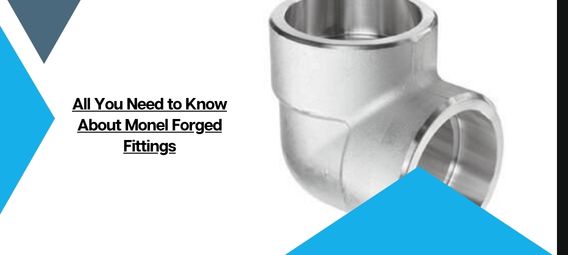
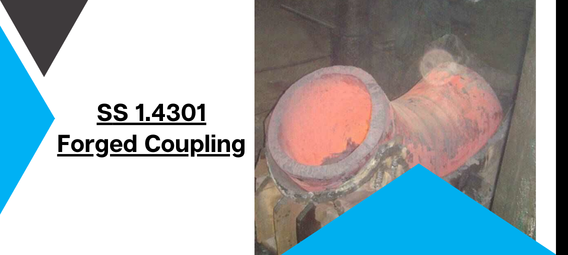
EN 1.4301 is available in almost any form imaginable. It is sold as hot-rolled plates, cold-drawn bars, seamless pipes, and intricate forgings. For high-pressure piping, the SS 1.4301 forged coupling is a vital component. These parts follow specific standards like EN 10222-5 for forgings. Manufacturing standards define the dimensional tolerances. This means a 2-inch pipe will actually fit a 2-inch coupling every single time. Surface finishes are also standardized, ranging from dull mill finishes to mirror-like polishes. These rules ensure that the physical part matches the engineering drawing perfectly.
Corrosion Resistance and Service Performance
The main reason to choose EN 1.4301 is its ability to fight rust. It handles rain, damp air, and many organic acids with ease. It is the preferred choice for hygiene. However, it does have a weakness: chlorides. If you put this steel in salty seawater or heavy bleach, it may suffer from pitting. For those harsh spots, you might need a grade with molybdenum, like 316. But for most indoor and mild outdoor uses, 1.4301 lasts for decades without losing its shine or strength.
Applications Across Industries
EN 1.4301 is used in nearly every sector of modern life due to its versatility.
- Chemical and Petrochemical Plants
In these facilities the metal handles a variety of chemicals and intermediate fluids. It is used for storage tanks, heat exchanger tubing, and valve bodies. The steel stays stable under pressure and resists many acidic environments found in processing.
- Food and Beverage Equipment
This is perhaps its most famous use. Professional kitchens, breweries, and milk processing plants use 1.4301 almost exclusively. It does not leach chemicals into food and is very easy to sanitize with steam or detergents.
- Water Treatment and Piping Systems
City water lines and desalination pre-treatment steps use this grade for its longevity. Items like the SS 1.4301 Forged Coupling ensure leak-free joints in high-pressure water loops. It resists the corrosive nature of treated water better than galvanized steel.
- Structural and General Engineering
Architects prefer this grade for building facades, handrails, and signage. It provides a sleek, modern look that requires very little maintenance. It is used in workshops to keep nuts, bolts, and custom brackets from rusting.
Compliance, Testing, and Certification
Proof of quality is needed for important jobs. Usually this is a Material Test Certificate (MTC) that follows EN 10204 3.1. This document tells you the exact strength and chemical composition of the batch you bought. The common standard tests include:
- Flattening or Flaring: For pipes and tubes.
- Hardness Testing: To check the temper.
- Ultrasonic Testing: To find hidden cracks inside thick forgings.
- Intergranular Corrosion Tests: To ensure the welding won’t cause future rust issues.
Traceability is key. Each part should be stamped with a heat number that links back to the original steel melt.
Why EN 1.4301 Remains a Reliable Stainless Steel Grade
EN 1.4301 is a combination of strength, ease of use, and resistance to rust. It is ideal as it is easy to find and understand. Industries make sure their systems are safe and work well by following strict EN standards. Using high-quality parts like a certified SS 1.4301 forged coupling prevents leaks and cuts down on repair costs. It is a material that has provided reliable performance and continues to lead the market. At Neo Impex, we are here to help with your material needs. If you have questions about sourcing or technical specifications, contact us today.