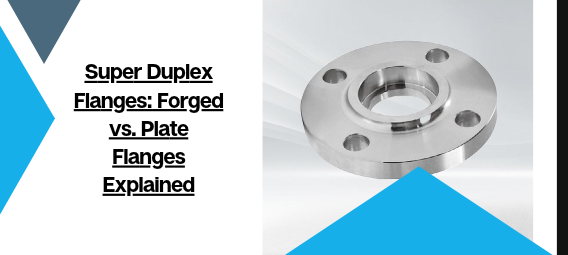
Super duplex flanges are high-strength, corrosion-resistant piping components used in severe chloride environments where conventional stainless steels may not provide sufficient resistance. While grade specification dictates overall material chemistry, choosing between a forged part or plate fabrication directly determines structural integrity under extreme pressure. Understanding how manufacturing methods impact grain alignment, pressure ratings, and lead times ensures specifying the right super duplex flanges for demanding offshore and chemical process piping systems.
What Are Super Duplex Flanges?
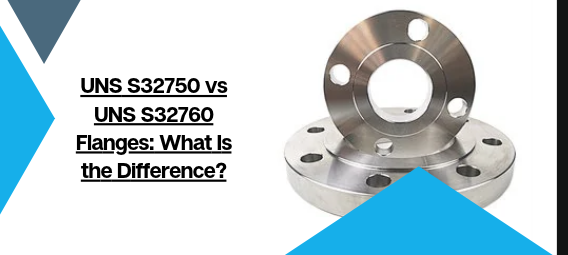
Super duplex flanges are made from a two-phase stainless steel with a roughly balanced austenite-ferrite microstructure, which gives them both high strength and strong resistance to pitting and stress corrosion cracking in chloride-containing environments. The balanced austenite-ferrite structure provides a combination of high strength, toughness, ductility and resistance to localized corrosion. That dual-phase structure is why the grade outperforms standard austenitic stainless in seawater and aggressive process media. Two grades dominate this category:
- ASTM A182 F53 / UNS S32750
- ASTM A182 F55 / UNS S32760
Both carry a pitting resistance equivalent above 40, which is what qualifies them as super duplex rather than standard duplex. Both are specified where the service chemistry rules out lesser materials, and the choice between forged and plate construction comes next.
Forged Super Duplex Flanges
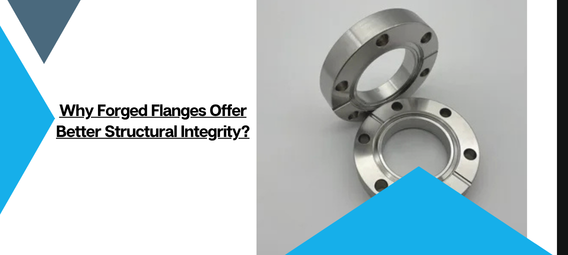
Forged super duplex flanges are shaped from wrought starting material under controlled heat and mechanical deformation. The forging process works the metal into the flange geometry, and the resulting grain flow follows the deformation. ASTM A182 is the specification that covers forged or rolled flanges for the applicable super duplex grades, including F53 and F55. Forged construction suits are projects where the specification calls for a forging and controlled mechanical properties. It is the standard route for pressure-class flanges in super duplex service, though forging alone does not guarantee a defect-free part or automatically higher strength than plate; the final properties depend on the material, process control, and applicable standard.
Plate Flanges and Their Manufacturing Route
Plate flanges are machined from plate, not forged from wrought stock. The plate is machined to throats, shouldered if necessary, and cut to the contour of the flange. Fabrication includes the welding method and qualification of welded construction. Make sure that the controlling pipeline specification and the flange design are tolerant to plate construction (not all pressure applications are) prior to specifying plate. While plate construction is not a bad approach, it is an acceptable alternative for appropriate designs. It is a convenience for larger or octagonal sizes that don’t take the (forge-to-match) as easily but should be made and inspected to the specification.
Forged vs Plate Super Duplex Flanges: Key Differences
The two routes differ in starting material, process, and what governs their selection, as the table sets out.
| Factor | Forged Flange | Plate Flange |
| Starting material | Forging/wrought stock | Plate |
| Manufacturing route | Forging + machining | Cutting/fabrication + machining |
| Typical specification consideration | ASTM A182 where applicable | Plate specification + applicable flange/fabrication requirements |
| Grain flow | Influenced by forging deformation | Plate rolling direction |
| Manufacturing complexity | Higher | Generally simpler for suitable designs |
| Custom/large dimensions | Depends on forging capability | Can be practical for certain dimensions |
| Welding considerations | Typically no flange-body fabrication weld | Welding may be required depending on the design and fabrication route | May be relevant depending on fabrication |
| Selection basis | Specification, pressure class, geometry, service | Specification, geometry, fabrication requirements |
Forging does not automatically deliver superior pressure performance. The final flange rating depends on design, dimensions, material, pressure class, temperature and the applicable standard together, not on the manufacturing form alone.
Which Flange Should You Choose?
The governing specification and design requirements should determine the manufacturing route, not price alone. At Neo Impex, we point buyers to the project’s own requirements first, then match the construction to it.
Choose forged construction when:
- The project specification calls for ASTM A182 forgings.
- A standardized pressure-class flange is required.
- The applicable piping specification prefers forged construction.
- The required geometry is commercially available as a forging.
Consider plate construction when:
- The applicable specification permits it.
- Dimensions or design requirements make plate fabrication practical.
- Fabrication and machining requirements can be controlled and documented.
- The project does not specifically require forged construction.
What Should Buyers Verify Before Ordering?
Confirm these points before placing an order for super duplex flanges:
- Super duplex grade: F53/S32750 or F55/S32760
- Applicable material specification
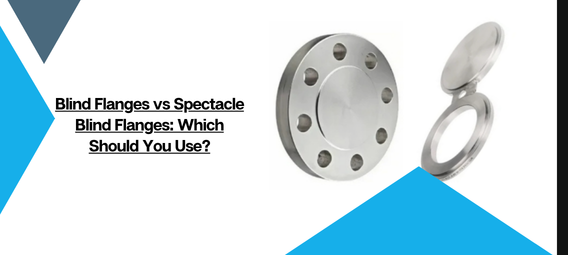
- Flange type
- Pressure class/rating
- Nominal size
- Facing and dimensions
- Manufacturing route
- Heat treatment requirements
- Inspection and testing requirements
- Material test certification
Forged and plate flanges should not be treated as interchangeable simply because they share the same nominal dimensions. Forged super duplex flanges suit applications where the governing specification requires or favours forged construction, while plate-based construction can be suitable where the applicable design and fabrication requirements permit. Grade, pressure class, dimensions, service conditions and specification compliance decide the final choice. We at Neo Impex supply super duplex F53 and F55 flanges against the route your specification calls for, with material certification to match.