If you’re in the market for flanges, you may have heard of or considered threaded flanges. Threaded flanges are versatile, durable, and effective and can be useful in many industries, from oil and gas to construction. But what are threaded flanges, exactly? How do they work? And what are some considerations you should consider when specifying your next project? In this blog post, we’ll answer all these questions and more. So, without further ado, let’s get started!
What are threaded flanges?
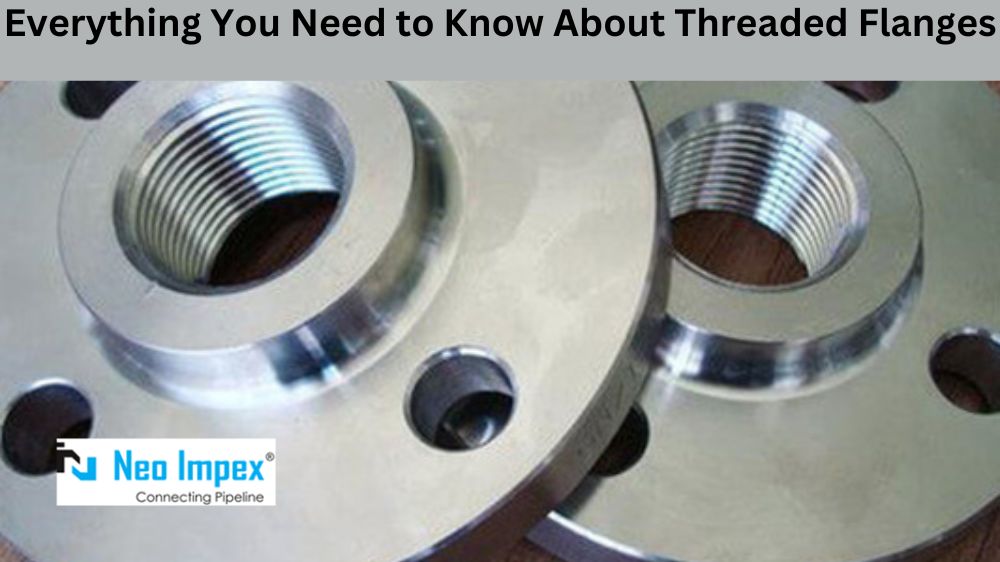
Threaded flanges are a type of flange that possess a female-threaded interior surface and allow for easy attachment and detachment from a threaded pipe. They usually have a raised face that enhances the connection’s alignment and creates a strong superstructure when paired with a male-threaded pipe. They are typically used in small-bore piping systems where welding is not an option or appropriate and can prove effective in lubricants, hydraulic oils, fuel systems, and compressed air and gas.
How does threaded flange work?
Threaded flanges work by screwing the threaded pipe into the female-threaded interior surface on the flange. Once the pipe is securely tightened, the required gasket can be placed between the flange connection’s two raised faces to ensure a tight seal. By screwing the pipe into the flange, the threaded flange system produces a strong, reliable connection without welding or soldering.
Benefits of threaded flange
Threaded flanges offer numerous advantages over other flanges, particularly in small-bore piping systems. Firstly, as previously mentioned, these flanges enable the formation of a strong, reliable connection without the need for welding or soldering. The flanges can easily be removed, meaning maintenance and replacement are more straightforward and less disruptive to the overall system. Also, they can be easily screwed into place, so they provide a faster, more efficient installation process compared to other flange varieties.
Things to consider when specifying threaded flange
When specifying threaded flanges for your project, it’s important to consider a few key factors. Firstly, ensure that the threads on the pipe and the threaded flange match and that the specified thread type is appropriate for the medium. Secondly, specify the correct gasket for your application, which will help ensure the system is leak-free. Finally, properly torque the threaded flange connections for optimal performance.
conclusion:
Threaded flanges are a reliable, efficient, and easy-to-use option for many small-bore piping systems. By screwing the threaded pipe into the female-threaded interior surface on the flange, you can produce a strong, reliable, and leak-free connection without welding or soldering. When specifying threaded flanges, pay attention to the thread type, the gasket type, and the recommended torque levels to get the best results from your system. By choosing these flanges for your piping project, you can enjoy their numerous benefits, including cost savings, easier installation, and easier maintenance and replacement.